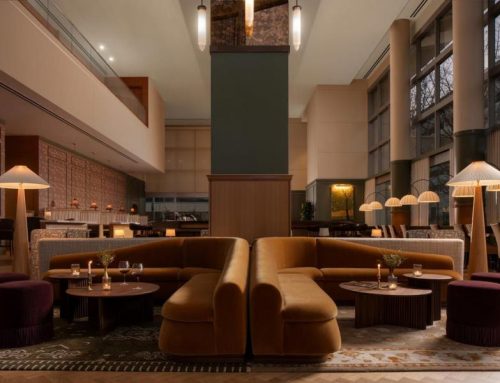
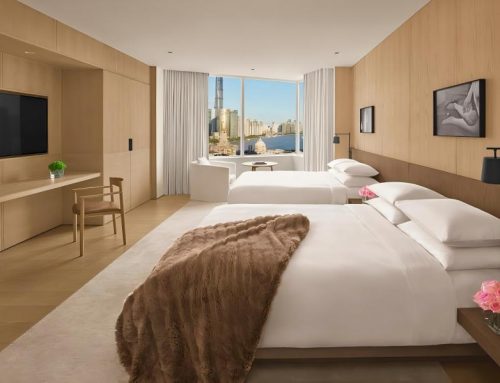
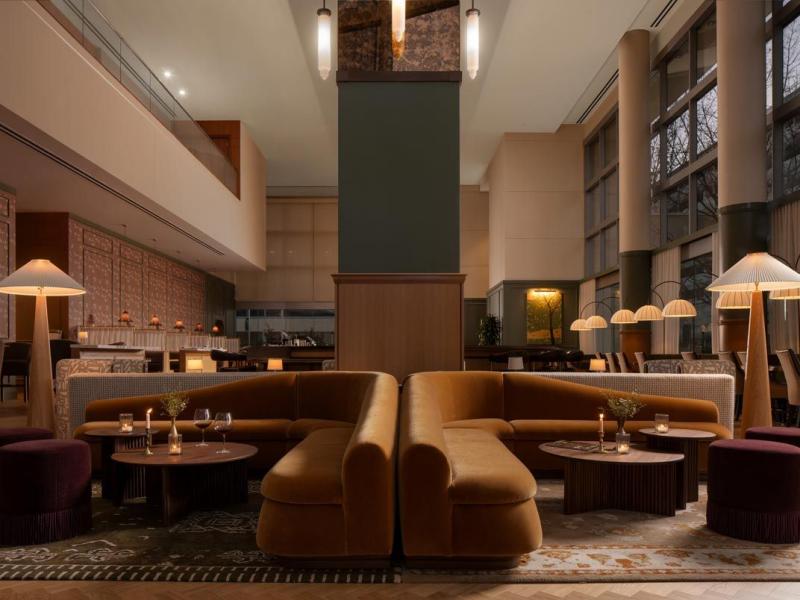
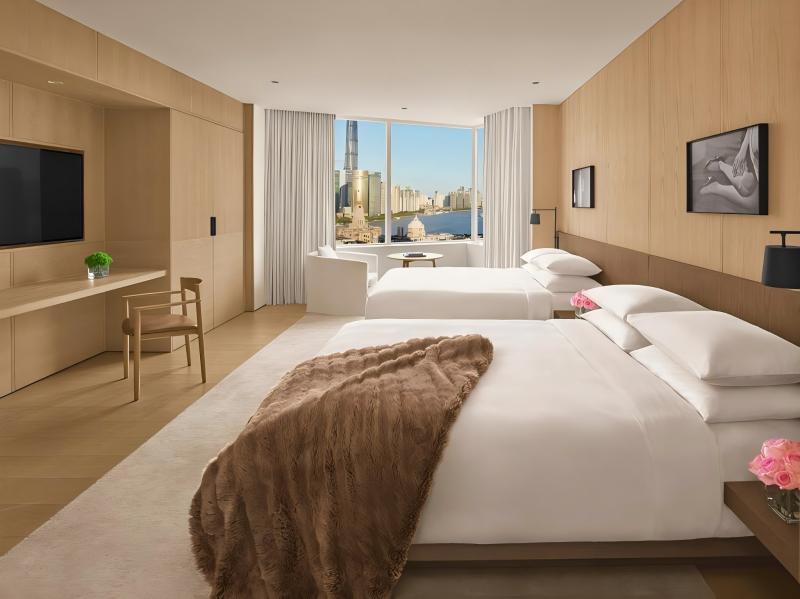
In hotel development, FF&E procurement is often discussed but frequently misunderstood. For owners, designers, and contractors, FF&E is not simply about purchasing furniture. It is a structured procurement system that connects design intent, technical feasibility, budget control, and project delivery.
This article explains what FF&E procurement means in hotel projects and clarifies the specific role furniture factories play within the FF&E framework—particularly in custom hotel furniture manufacturing for large-scale hospitality developments.
What Does FF&E Mean in Hotel Projects?
FF&E stands for Furniture, Fixtures & Equipment. In hotel projects, it covers all movable or semi-fixed items that are not part of the building’s permanent structure.
Typical FF&E scope includes:
Loose furniture such as beds, sofas, chairs, tables, wardrobes, and casegoods
Fixed furniture and joinery, including vanities, headboards, wall panels, and built-in closets
Fixtures and equipment required for guest rooms and public areas
Unlike architectural or MEP works, FF&E items are assets that can be specified, customized, replaced, and procured independently. This makes FF&E a critical interface between design, cost, and long-term operational performance.
What Is FF&E Procurement?
FF&E procurement is the process of translating design specifications into fully delivered, compliant, and project-ready FF&E packages. It is not a single purchasing action, but a coordinated workflow involving multiple stakeholders.
In hotel projects, FF&E procurement typically aims to:
Ensure design intent can be realistically manufactured
Control cost without compromising durability or brand standards
Coordinate suppliers across different FF&E categories
Deliver products aligned with project timelines and logistics constraints
From a decision-maker’s perspective, FF&E procurement is a risk management system rather than a buying exercise.
The Core Objectives of FF&E Procurement
Effective FF&E procurement focuses on four objectives:
Design realization – converting drawings and material schedules into manufacturable products
Budget control – balancing aesthetics, performance, and cost
Technical feasibility – validating structure, materials, and construction methods
Schedule alignment – matching production and delivery with project milestones
The Typical FF&E Procurement Process for Hotel Projects
Although workflows vary by project scale and region, most hotel FF&E procurement follows a similar structure.
Design Development & Specification Review
At this stage, drawings, material boards, and technical specifications are reviewed. For custom furniture, this is where early factory involvement adds value by:
Identifying structural or material risks
Advising on tolerances, finishes, and construction details
Ensuring specifications align with manufacturing realities
Budgeting & Value Engineering
FF&E budgets are refined through value engineering. This does not mean downgrading quality, but optimizing it through:
Alternative materials or finishes
Structural simplification
Process-driven cost efficiencies at scale
Experienced furniture factories contribute by proposing solutions that maintain performance while improving cost predictability.
Supplier Sourcing & Coordination
Depending on the project, FF&E procurement may involve:
FF&E procurement agents or consultants
Direct suppliers across multiple FF&E categories
Furniture manufacturing factories for custom items
Clear role definition is essential to avoid overlaps, gaps, or responsibility conflicts.
Manufacturing, Quality Control & Delivery
For furniture factories, this phase includes:
Prototype development and approval
Batch production
Project-specific quality control
Packaging and export-ready delivery to site or consolidation warehouse
Where Do Furniture Factories Fit into FF&E Procurement?
Furniture factories play a specialized role within FF&E procurement, particularly in projects requiring bespoke or semi-custom solutions.
Furniture Factories Are Not Just FF&E Suppliers
Unlike trading companies or distributors, furniture factories are manufacturing-driven partners. Their value lies in engineering capability, process control, and production consistency rather than product sourcing alone.
Technical Support During Design & Specification Stage
Factories support FF&E procurement by providing:
Structural feasibility assessments
Material compatibility guidance
Dimensional coordination and ergonomic validation
This technical input helps prevent redesign, rework, and late-stage changes.
Cost Control Through Manufacturing Expertise
Manufacturing knowledge enables:
Process optimization
Modular design approaches
Consistent quality across large quantities
These factors directly affect unit cost, maintenance performance, and long-term value.
Quality Assurance & Compliance for Hospitality Standards
Reputable furniture factories implement project-level quality control aligned with hospitality requirements, including:
Durability and safety standards
Finish consistency
Compliance with international certifications such as ISO systems
FF&E Procurement Models: Agent-Led vs Factory-Direct
Agent-Led FF&E Procurement
In this model, a procurement agent manages multiple suppliers. It offers centralized coordination but may add layers between design intent and manufacturing execution.
Direct Collaboration with Furniture Manufacturers
Direct factory collaboration is often preferred when:
Customization levels are high
Project scale requires production consistency
Cost and technical transparency are priorities
In Middle Eastern projects, factory-direct models are common due to large volumes and bespoke requirements. In European projects, compliance, sustainability, and detailed craftsmanship often drive early factory engagement.
Why Early Involvement of Furniture Factories Reduces Project Risk
Early factory involvement in FF&E procurement helps reduce:
Design revision risks caused by impractical specifications
Budget overruns from late-stage changes
Delivery delays due to production constraints
This approach does not replace designers or procurement agents. It strengthens the FF&E system by aligning design ambition with manufacturing reality.
Conclusion: FF&E Procurement Is a System — Not a Purchase Order
FF&E procurement in hotel projects is a structured system that connects design, engineering, manufacturing, and logistics. Furniture factories act as execution partners within this system, ensuring that custom furniture solutions are buildable, compliant, and deliverable.
For hotel owners, designers, and contractors, understanding this role is essential for controlling risk, protecting design intent, and achieving successful project outcomes.